Idesignanddevelopscalable,high-performancesoftwaresolutionsacrossvarioussystemsusingmoderntechnologies.

I’m a Software Engineering graduate of SUST, having completed all coursework and my internship, with a strong interest in building scalable, intelligent web applications and in empirical software engineering research. I work primarily with modern JavaScript frameworks, backend systems, and AI-powered features, focusing on clean architecture and real-world usability.
My undergraduate thesis investigated LLM-based pull request reviewer recommendation using frequency-weighted knowledge units, evaluated across four large-scale JavaScript repositories; the manuscript is currently being finalized for submission to the E-Informatica Software Engineering Journal.
I’ve built and deployed full-stack projects using Next.js, Node.js, Go Echo, PostgreSQL, GORM and Prisma, and have hands-on experience integrating Gemini AI, authentication systems, and data-driven features. My work also extends to machine learning and computer vision, including projects with YOLOv8 and AI-based automation.
Beyond development, I actively participate in hackathons and problem solving. I’m also involved in technical communities at SUST, contributing through leadership and collaboration. I’m passionate about continuous learning, building impactful products, and turning complex ideas into practical solutions.
Outside of tech, I enjoy traveling, exploring nature, and discovering different cuisines, experiences that fuel my creativity, adaptability and curiosity.
An Empirical Investigation of Frequency-Weighted Knowledge Units for LLM-Based Pull Request Reviewer Recommendation in JavaScript Projects
Co-First Author — B.Sc. Thesis / Manuscript
Manuscript finalized — pending submission to E-Informatica Software Engineering Journal
Software Engineer Intern
Dec 2025 – May 2026
B.Sc. in Software Engineering (IICT)
CGPA: 3.55/4.00 (through 7th semester, final results pending)
2020–21
Higher Secondary Certificate (HSC)
GPA: 5.00
2018–19
Secondary School Certificate (SSC)
GPA: 5.00
2016–17
Finalist – Cisco IoT Hackathon
Team Oracle
Nov 2024
Virtual Finalist – NASA Space Apps Challenge (BD)
Team Niharika
Oct 2024
Participant – Leading University Hackathon (LUCC)
Dec 2024
Participant – ICPC Preliminary Round
2023

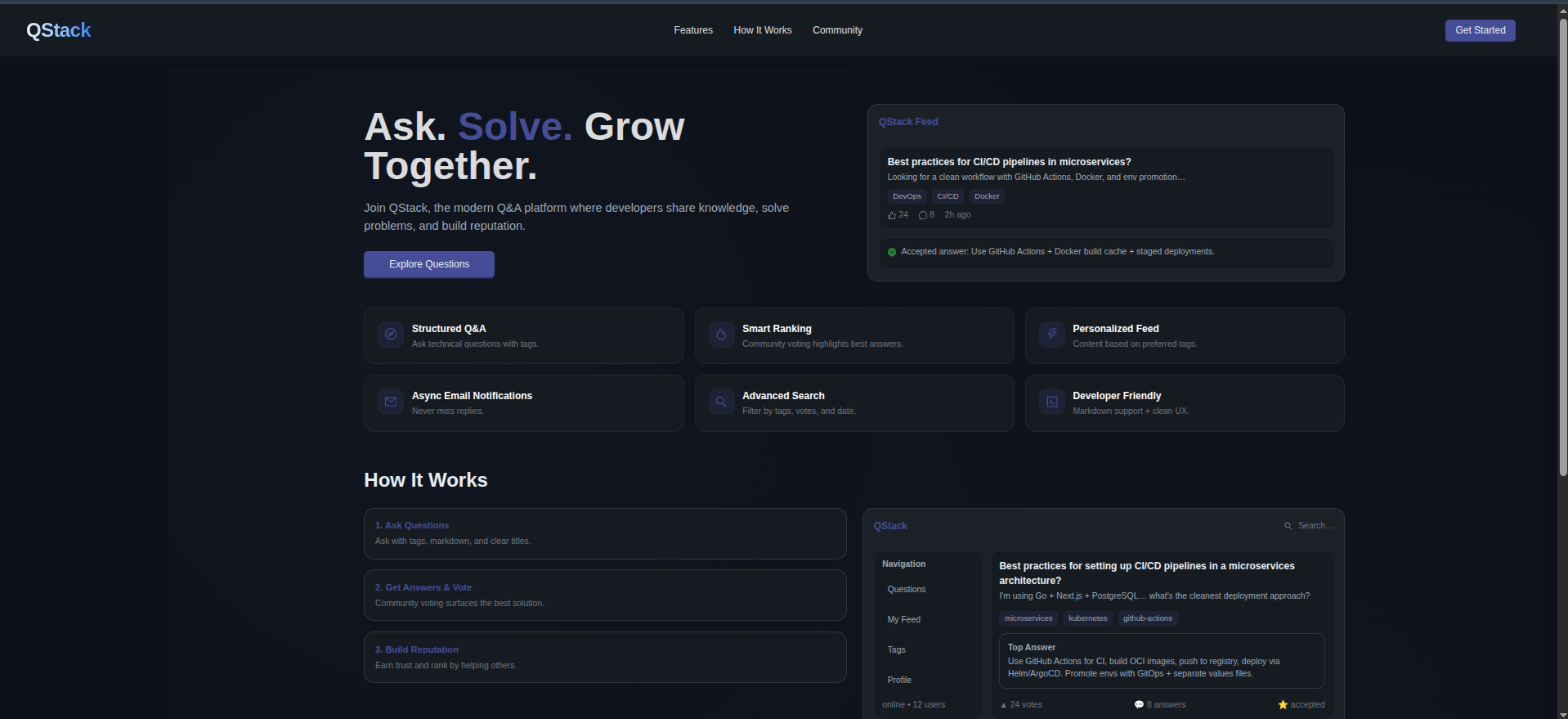
A full-stack developer Q&A platform inspired by Stack Overflow. Supports question/answer workflows, voting, tagging, search, filtering, sorting, and image uploads. Designed with scalable backend architecture and asynchronous processing.

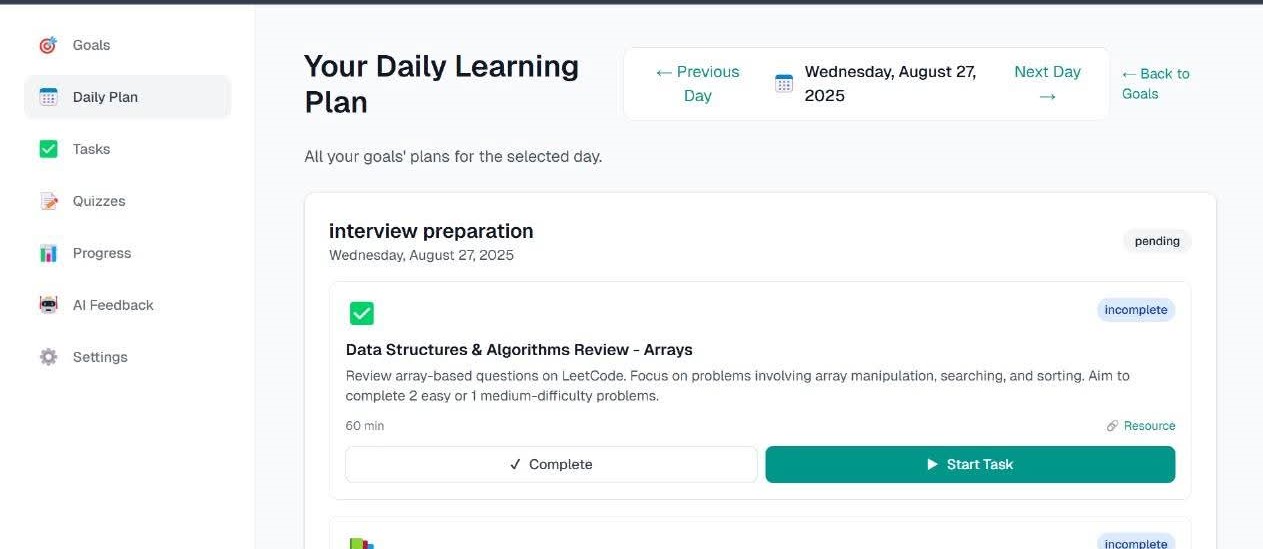
A personalized learning platform with Google Auth, AI-generated daily plans, tasks tracking, interactive quizzes, progress tracking, chat guidance, and email reminders. Fully responsive, deployed on Vercel (frontend), Render (backend), with Supabase database.

A travel planning app that generates personalized itineraries with Gemini AI based on budget, duration, and location. Features include a frontend with Google Authentication, AI-recommended hotels, detailed daily schedules, and Firestore database integration. Fully deployed on Vercel.

A computer vision web app that detects car license plates from uploaded images using a custom YOLOv8 model. Features a Flask backend for model serving and image uploads, connected to a responsive Next.js + Tailwind frontend, providing real-time detection results.

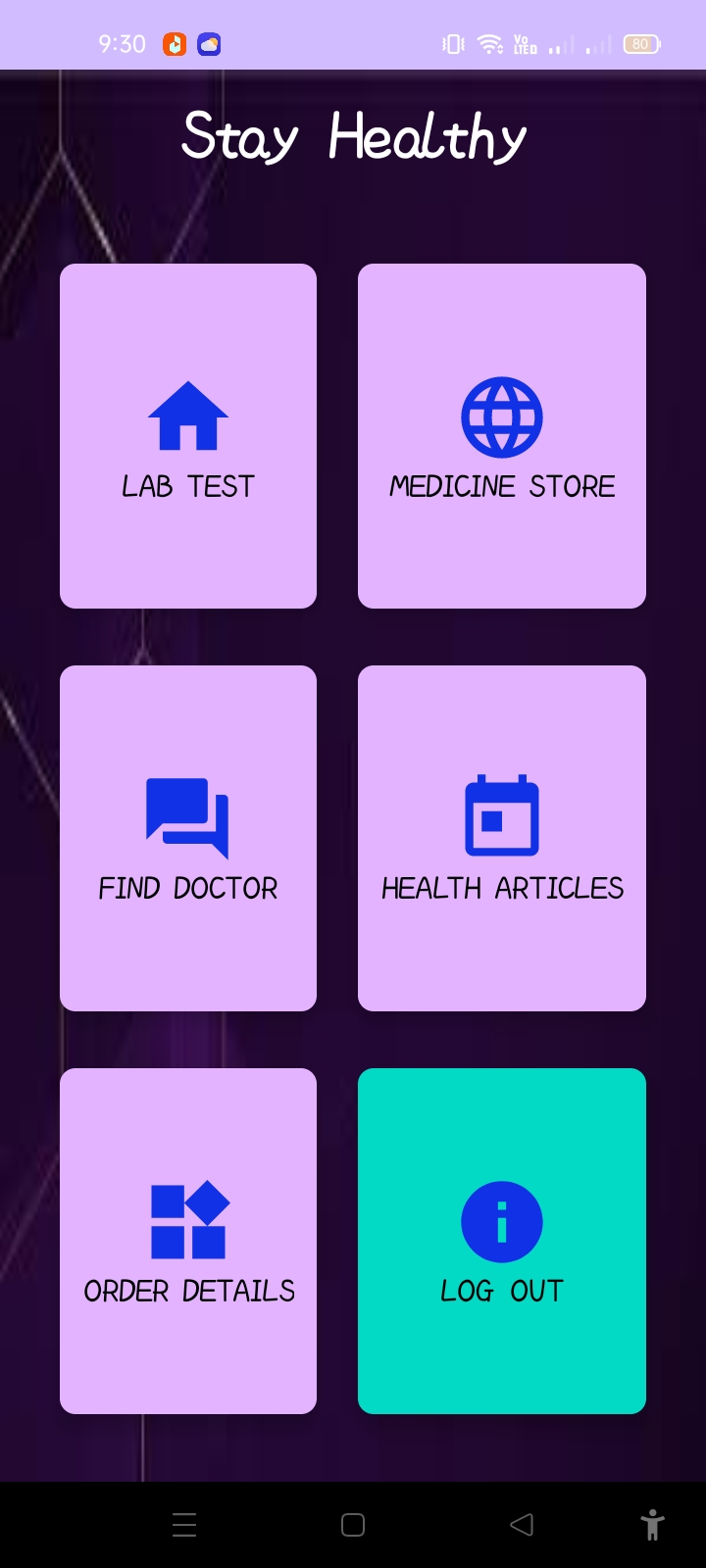
An Android app (Java) for managing health services, including user registration/login, lab tests and medicine orders, doctor search and appointment booking, health articles, and order tracking.

A Java-based arcade game featuring two levels. Players use a paddle to bounce a ball and break bricks, earning points for each brick. After completing level 1, they progress to level 2, with the game tracking total scores across both levels for a high-score challenge.
A computer vision model that detects cats in images using YOLOv8
Solved 250+ problems onCodeforces,VJudge, andLeetCode, strengthening algorithmic thinking and problem solving skills.
Completed theSupervised Machine Learningcourse by Andrew Ng on Coursera, gaining solid foundations in Machine Learning.